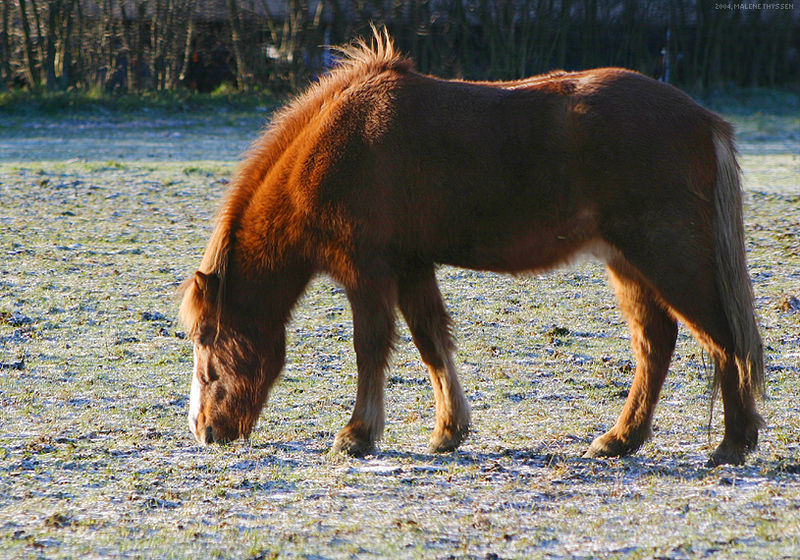
Draft horse, descended from the forest horse, mount of the Vikings, bred in Denmark, in the Jutland peninsula, since the Middle Ages where it served as a steed for knights in armor, Jutland was transformed in the 19th century after infusions of blood Bay of Cleveland but mainly Suffolk Punch and in particular by the […]
Read More… from The Jutland Horse
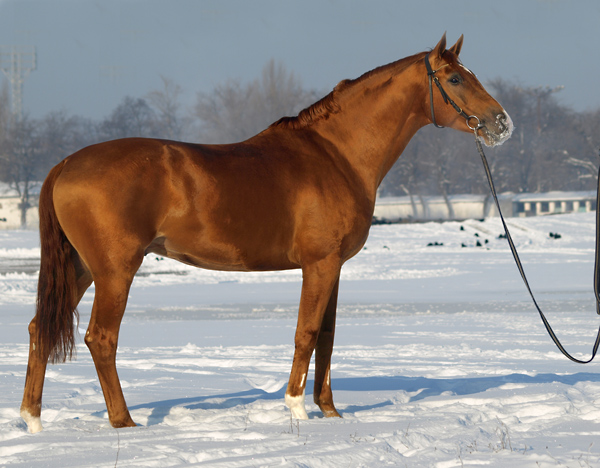
The traditional mount of the Cossacks, this saddle horse from Russia’s Don basin is the result of crossing a native horse with various Asian (Turkmen, Karabakh, Karabair) and Oriental (Persian Arabian) breeds. Later, infusions of Orlov Trotter, Thoroughbred and Anglo-Arabian blood improved the breed. In 1812, this extremely hardy horse helped defeat Napoleon’s army during […]
Read More… from The Don horse
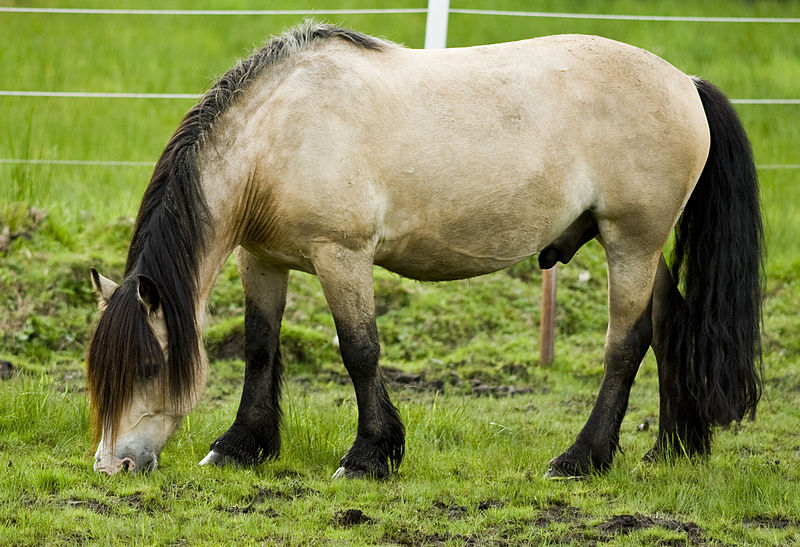
This Norwegian draught horse is the result of the combination of two formerly distinct breeds, the Dole and the Gudbrandsdal. Its origins are said to be close to those of the Dales and Fell. It is said to derive from Celtic ponies with an addition of Friesian blood. It has been influenced by […]
Read More… from The Dole-Gudbrandsdal horse
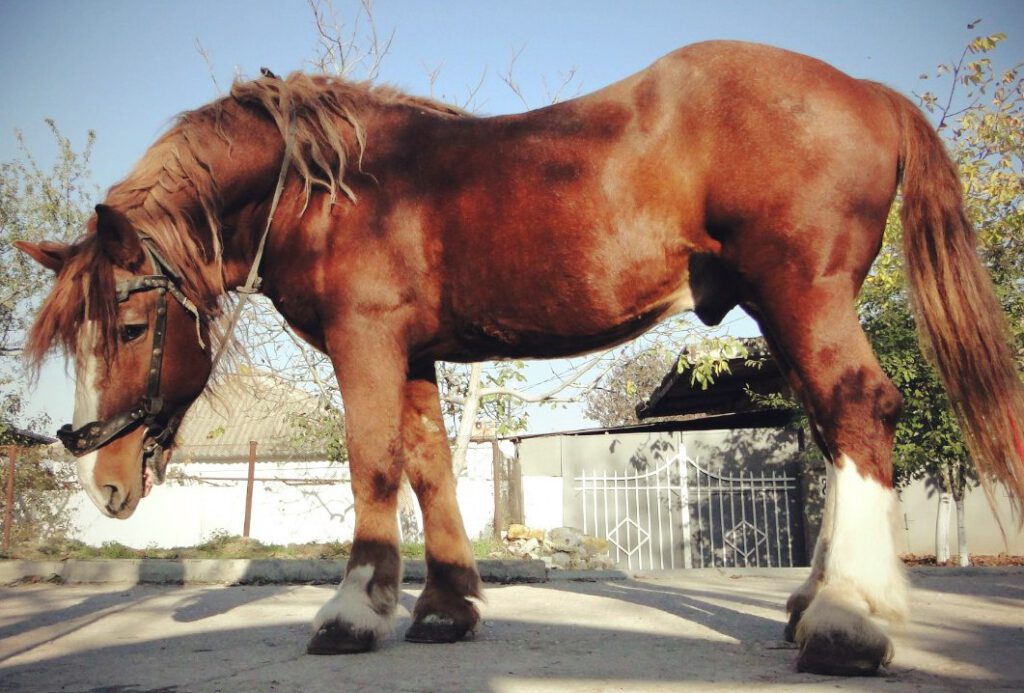
This draft horse was created in the Ukraine at the beginning of the 20th century. Local mares were crossed with Trotter d’Orloff Ardennes stallions from Sweden and Percherons. Until 1952, the breed was known as the Russian Ardennes. […]
Read More… from The Russian draft horse
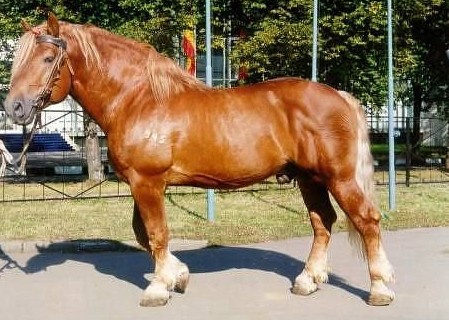
This draught horse was developed on Russian farms in the late 19th century around Vladimir, northeast of Moscow, by mixing existing stock with Cleveland Bais, Suffolk Punchs, Ardennes, Clydesdales, Percherons, and Shires. The breed was recognized in 1946. […]
Read More… from The Vladimir heavy draught horse
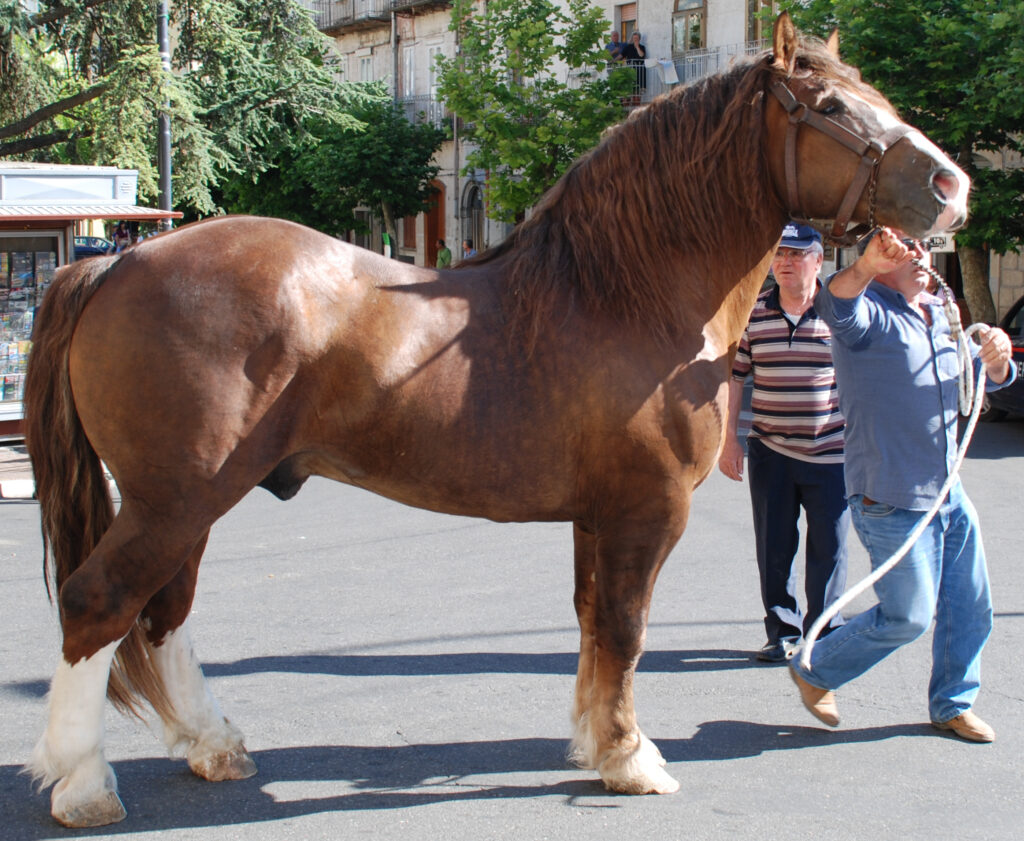
The creation of the Italian Heavy Draught or Italian Fast Heavy Draught dates back to I860, at the National Stud in Ferrara, in the Emilia region. Stallions from the Po delta region were used: Neapolitans, then Thoroughbreds, Hackneys, and Arabians. In the early 19th century, Brabançon from Belgium, Boulonnais, Ardennes and Postier Breton (with Norfolk […]
Read More… from The Italian draught horse
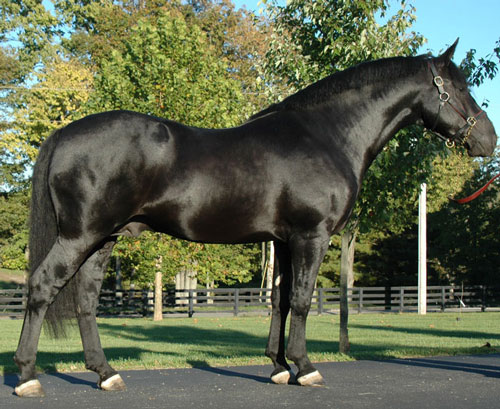
The origins of the Irish Draught horse can be traced back to the Celtic pony, the Connemara pony, and the small Irish horse, crossed with Normans. Later, infusions of Andalusian and probably Oriental blood were made. Attempts to add Clydesdale and Shire were unsuccessful. The Stud Book was instituted in 1917. Crossbreeding with Thoroughbred stallions […]
Read More… from The Irish Draught horse
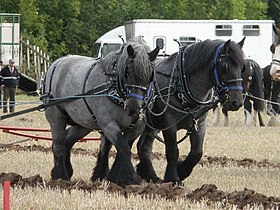
Breeding of the only heavy breed developed in the Netherlands began in the 19th century with Dutch Zeeland draft mares crossed with the Brabançon (Belgian Heavy Draft) and Belgian Ardennes. In 1914, the Royal Society of Dutch Draught Horses was founded. […]
Read More… from The Dutch Draught Horse
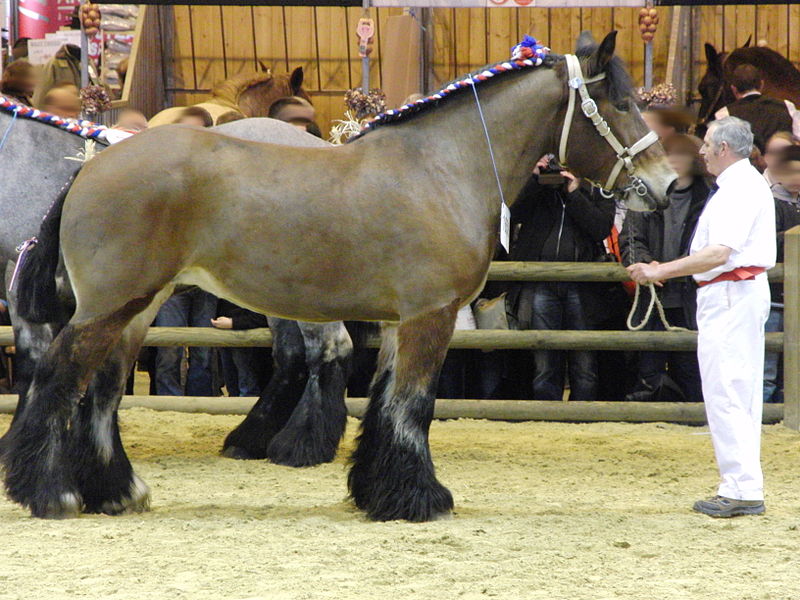
This draught horse, born in the French Hainaut region, may be as old as the Ardennes, descended from the Solutré horse, as the Trait du Nord belongs to the same family. In fact, in the early 19th century, the Ardennes, Boulonnais and above all the Trait Belge played an essential role in establishing the breed. […]
Read More… from The Nord draft horse

The prehistoric Belgian horse from the Meuse, whose bones were found in the Lesse caves, must have been 1.40 m tall. The simultaneous existence of strong-boned horses, perhaps the ancestors of the now extinct Flanders horse, used as a steed in the Middle Ages, is accepted. They were massive, measuring between 1.60 and 1.75 m. […]
Read More… from The Belgian draught horse